
01
Grease the machine.
Carry out the specified lubrication routine every four to six weeks. Follow the machine instructions for the correct grease points, grease type and safe shutdown procedure.
Service & maintenance
MAOF systems are built for repeated on-farm operation. Two simple scheduled tasks—regular greasing and periodic tightening of electrical connections—are central to reliable performance.
Practical ownership
The operator does not need to be a specialist technician. The essential routine is to keep the machine clean, watch for changes, follow the operating instructions and report developing issues early. Electrical, mechanical and safety-system work should be carried out by suitably qualified personnel.
Carry out the specified lubrication routine every four to six weeks. Follow the machine instructions for the correct grease points, grease type and safe shutdown procedure.
Electrical connections should be checked and tightened every six months. This work must be performed by a qualified electrician with the machine safely isolated.
Water from a hose or pressure washer can enter the electrical cabinet and damage electrical components. Clean the exterior by wiping it with a damp cloth or an equivalent low-moisture method.
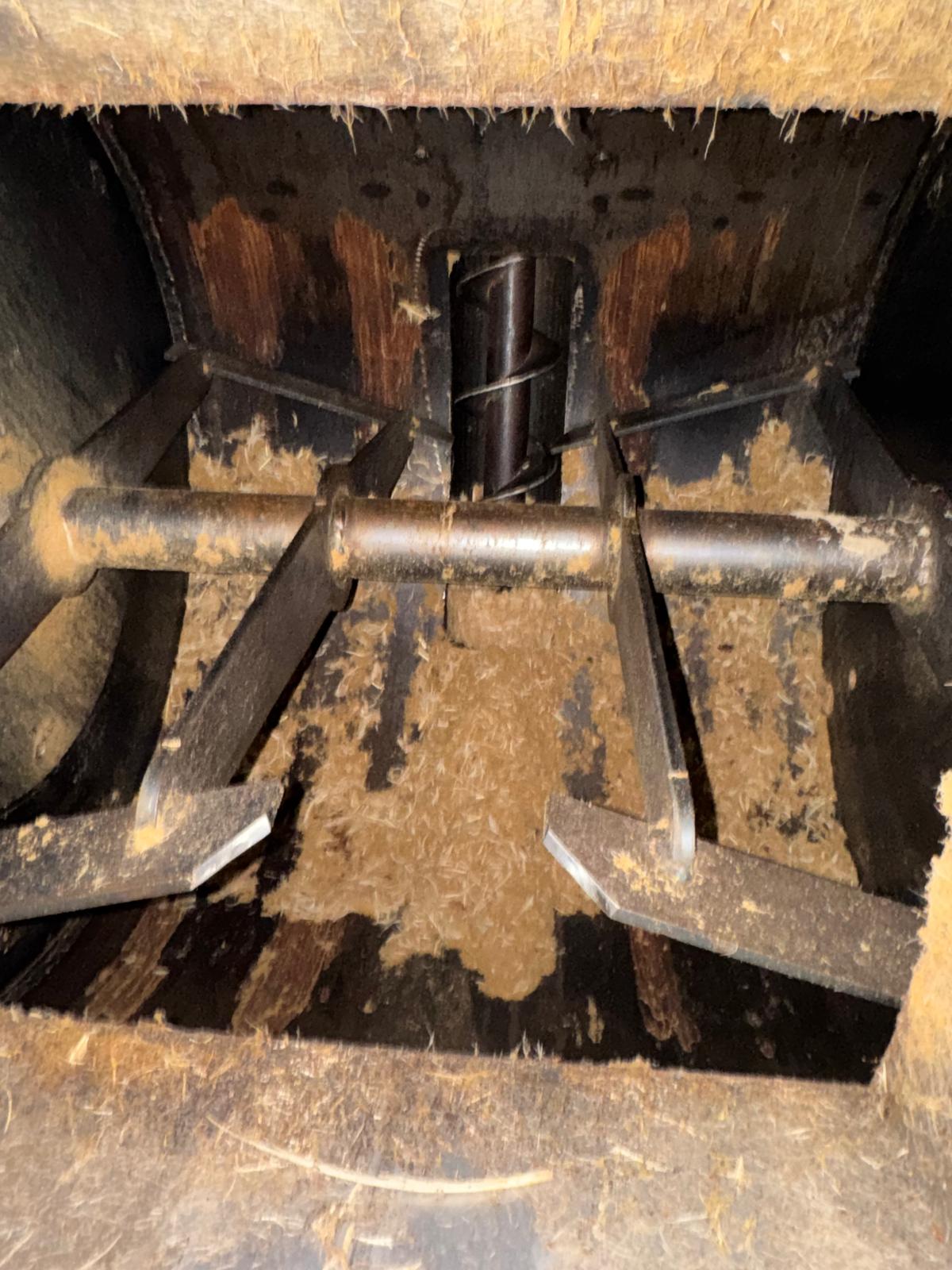
The inside of the processing chamber does not require routine cleaning.
Wipe exterior surfaces with a damp cloth or equivalent. Do not hose down or pressure-wash the machine.
Check the machine for visible damage, loose components, unusual residue or anything that could affect safe operation before starting the next load.
Use the correct program and stay within the model’s recommended load range. Do not continue operating through unusual noise, vibration, smell or repeated alarms.
Record alarms, unusual behaviour and maintenance completed. A short operating history helps identify patterns and speeds up technical support.
When support is needed
Many questions can be assessed remotely before a site visit or replacement part is arranged. When contacting MAOF, the distributor or the appointed service provider, include:
Safety first: stop the machine and follow the isolation procedure if continued operation may be unsafe or may cause further damage.
Planned maintenance
Operating hours, loading patterns, dust, climate and local electrical conditions all affect service needs. The machine manual and service guidance for the supplied model remain the controlling documents.
Mixing and discharge components, bearings, seals, fasteners and signs of abnormal wear.
Heating performance, insulation, ventilation paths, blower operation and moisture exhaust.
Connections, protective devices, sensors, load-cell readings, control functions and recorded alarms.
Door interlock, guards, emergency controls and other protections specified for the machine.
Replacement parts
Clients are not expected to hold spare parts. If a replacement component is required, contact the local distributor or MAOF with the machine model, serial number and a clear description of the problem.
Warranty duration and coverage are defined in the written sales agreement. Contact the supplying party before carrying out work that may affect warranty coverage.
Request support
Photos, video and the exact alarm message help the technical team understand the situation before recommending the next step.